Using Google Search Console for content gap discovery
While managing digital marketing for Oregon State’s College of Engineering, a main focus was continually auditing our Google Search Console performance metrics to identify new content opportunities.
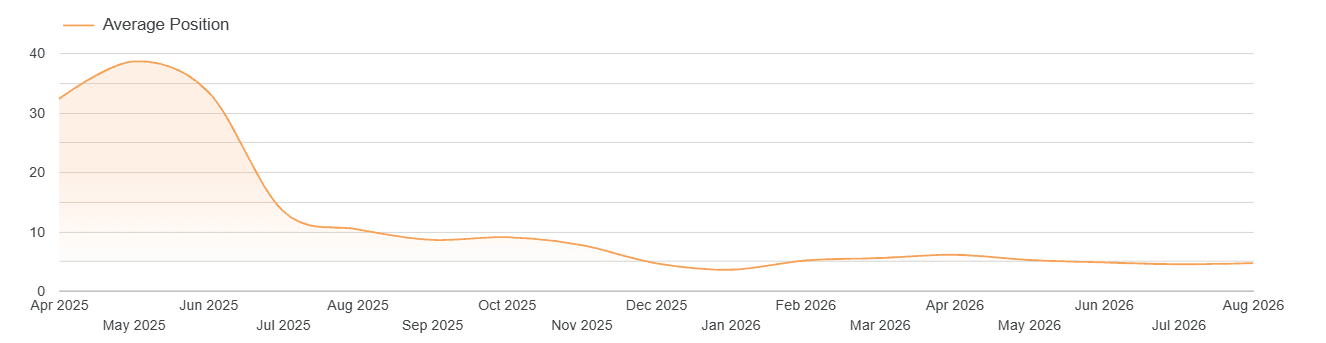
During one routine review, we spotted a clear pattern: our domain consistently generated high impressions for the search query "types of engineering," yet our average position hovered around 35, and we received virtually no clicks because we had no quality content around that specific query and search intent.
Because Oregon State offers degree programs across dozens of engineering disciplines, Google recognized our site as an authority on the topic. However, our content was scattered across individual department pages. We lacked a single, comprehensive hub designed explicitly to answer this high-volume query.
Recognizing this gap, we set out to build a definitive resource from the ground up.
Designing content for the audience journey
We knew a dedicated guide would do far more than just boost search rankings and attract net-new visitors. It served four key strategic touchpoints across the student recruitment funnel:
Top-of-funnel discovery: Introduced Oregon State Engineering to prospective students who were early in their search and had not yet considered our programs.
Decision-making guide: Helped prospective undergraduates compare disciplines to find the field best aligned with their career goals.
Mid-funnel reassurance: Gave active applicants a clear, credible reference point to validate their choice during the recruitment journey.
Brand positioning: Established our institution as a helpful, authoritative advisor rather than just a higher education seller.
Immediate impact
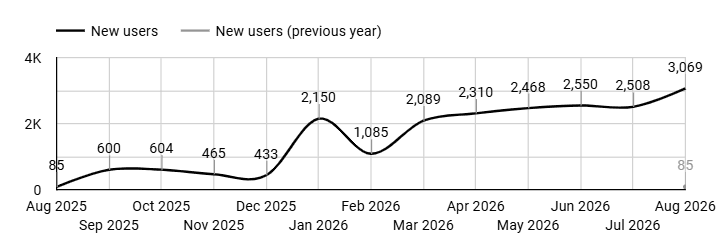
The impact of publishing a structured, search-intent-focused asset was immediate and compounding:
22,000 net-new users driven directly to the site within 13 months.
Average position jumped from ~35 to 4.5, securing top-of-page visibility on Google.
Sustained referral paths that routed organic readers deeper into degree application pages.
Key takeaways for digital marketers
Without robust web analytics and active search monitoring, this content gap would have remained invisible. Technical tracking reveals what your audience is actively seeking, while a disciplined long-tail SEO strategy ensures you capitalize on those queries before your competitors do.
Applying long-tail keyword strategies to your business
This case study highlights a universal growth framework for businesses in Corvallis and beyond:
Map questions to your sales cycle
Your ideal customers ask specific questions long before they are ready to buy. Partner with your sales and customer success teams to identify common friction points, then validate those topics using keyword research tools to capture high-intent traffic.
Create authoritative, user-focused guides
Publishing thin content around keywords is no longer effective. Search engines prioritize comprehensive resources that answer queries thoroughly. Build pillar pages and detailed guides that serve as definitive answers for your prospective clients.
Optimize the technical experience
Search engine rankings require both strong content and technical execution. Structure every piece with search-engine-friendly title tags, compelling meta descriptions, clear table-of-contents navigation, and mobile-first responsive design to keep bounce rates low.
Build a compounding lead pipeline
Unlike paid media campaigns that stop generating traffic the moment budget runs out, a long-tail keyword strategy functions as a long-term asset. Each optimized piece continues to attract qualified leads and build regional brand authority month after month.
Ready to scale your organic performance? Partner with Desert Fox Digital to audit your search data, identify high-converting content gaps, and execute a custom Corvallis SEO strategy that drives real revenue.
Get a free SEO audit today to help discover content gap opportunities for your business and see how you rank on Google compared to your top competitors.
See the article we developed: Types of engineering explained.

